
Report: BBC Investigates Alleged Secret Detention Sites in Southern Yemen
Published on: 6/7/2026, 10:41:56 PM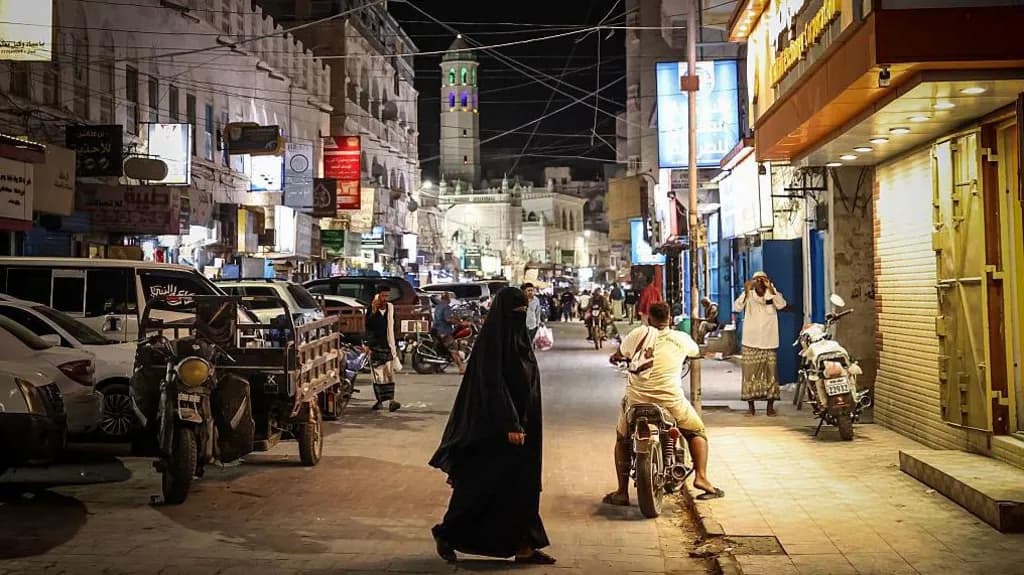
Fadel SENNA / AFP via Getty Images
Source: BBC News
A report published by the BBC has documented testimonies from former detainees and relatives of prisoners who allege that secret detention facilities operated in southern Yemen during the years when areas such as Mukalla were under the control of forces allied with the United Arab Emirates.
According to the report, Yemeni lawyer Huda al-Sarari has been collecting testimonies from former detainees and their families. The BBC said it attended a meeting organized by al-Sarari where dozens of former detainees and relatives of individuals reportedly still in detention shared their accounts.
Several former detainees told the BBC that shipping containers were allegedly used as detention cells, with some claiming that dozens of prisoners were held in each container under harsh conditions. Witnesses alleged that detainees were blindfolded, restrained, and forced to remain seated for extended periods.
One former detainee told the BBC that he was repeatedly interrogated and pressured to confess to links with al-Qaeda, an accusation he denied. He further alleged that he was subjected to physical abuse during his detention and that conditions inside the facility were extremely harsh.
The report also cited testimonies alleging mistreatment, including beatings and other forms of abuse. Some former detainees claimed that Emirati personnel and Yemeni fighters were involved in managing or overseeing aspects of detention operations.
According to the BBC, a mother alleged that her son had been detained as a teenager and remained in custody for years. She claimed that when she was eventually allowed to visit him, she observed signs of torture and abuse. The BBC noted that these allegations could not be independently verified.
The report said that over the past decade, international human rights organizations and media outlets, including Human Rights Watch and the Associated Press, have documented allegations of arbitrary detention, enforced disappearances, and torture in detention facilities linked to UAE-backed forces in Yemen.
Human Rights Watch was cited as reporting in 2017 that it had gathered testimonies from detainees who said they had been held without charge or judicial oversight and subjected to various forms of mistreatment. The UAE denied those allegations at the time.
The BBC reported that it submitted detailed questions and allegations concerning the detention sites and abuse claims to the UAE government but did not receive a response.
The report noted that all parties involved in Yemen’s conflict have faced accusations of human rights violations during the course of the war, which has contributed to one of the world’s most severe humanitarian crises.
According to the BBC, relatives of detainees said they had repeatedly raised concerns with Yemeni authorities and questioned how such facilities could have operated without the knowledge of senior officials.
Yemeni Information Minister Moammar al-Eryani told the BBC that government authorities had been unable to access areas previously controlled by UAE-backed forces until recently. He said that after government forces entered those locations, detention facilities were discovered, adding that officials had previously heard similar claims from victims but had not believed them.
The report linked the increased access to former detention sites to recent political and military developments, including growing tensions between Saudi Arabia and the UAE and the withdrawal of Emirati forces from Yemen earlier this year.
The BBC noted that on January 12, 2026, Presidential Leadership Council Chairman Rashad al-Alimi ordered the closure of all prisons operating outside the legal framework in southern governorates previously controlled by the Southern Transitional Council, calling for the release of detainees held unlawfully.
According to the report, Yemeni authorities acknowledged that some detainees had been found in the facilities, although no official figures were provided. Relatives of prisoners told the BBC that some detainees were later transferred to prisons now under government control.
The report concluded that while Yemeni authorities say integrating detainees into the formal justice system is a complex process, human rights organizations continue to express concern that arbitrary detention practices could persist under different forms of administration and control.
Key words:
# Secret Detention Sites
# Southern Yemen
# Mukalla
# Arbitrary Detention
# Human Rights Violations
Share: